Coop Care
Wood Shavings vs. Straw vs. Sand: What We Recommend (and Why Your Coop Smells)
This article breaks down why chicken coops get smelly (it’s usually moisture + manure + poor airflow creating ammonia), and how your bedding choice plays a big role in odor control. It compares wood shavings, straw, and sand with simple pros/cons so readers can pick what fits their climate and cleaning routine. The mai
September 14, 2026 · Coop Care Crew
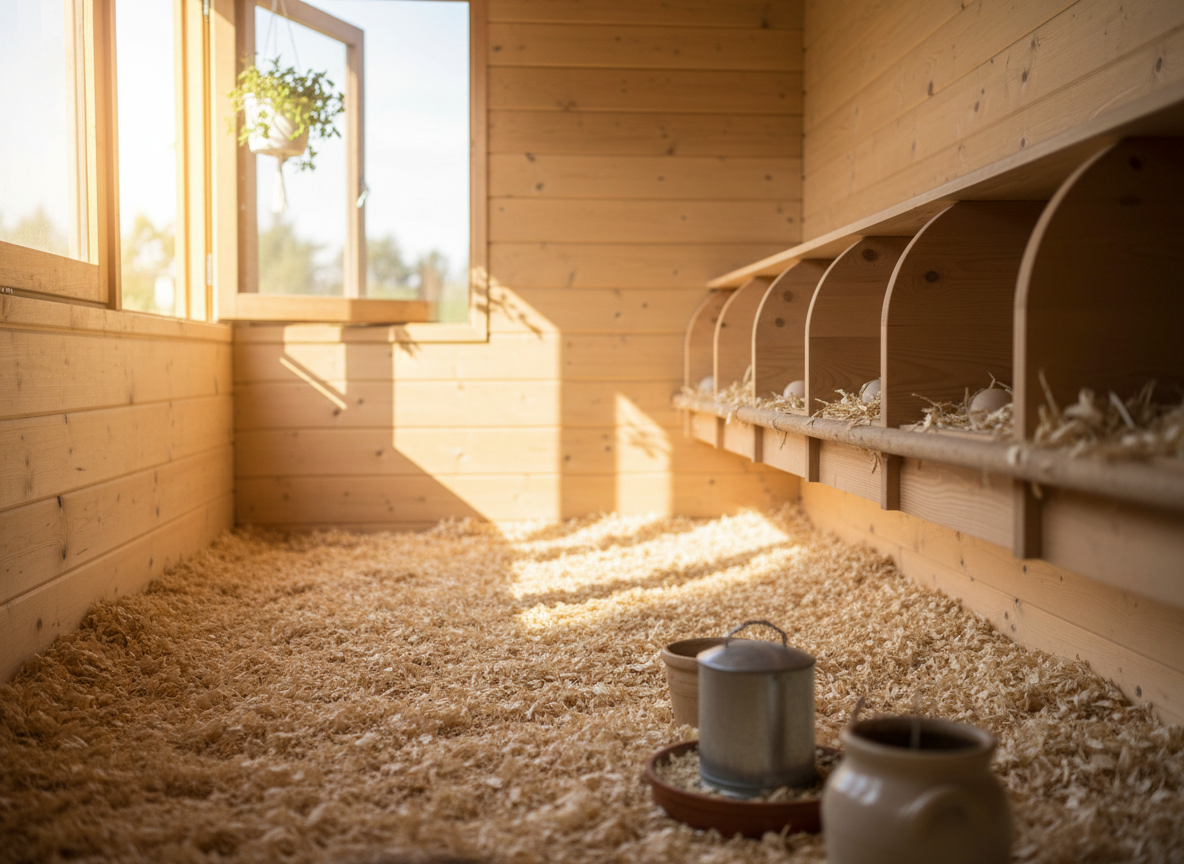
If you’ve ever walked out to the coop and thought, “Why does it smell already? I just cleaned!”—you’re not alone. Most coop odor isn’t about having chickens (chickens are chickens). It’s about moisture + manure + airflow + the bedding you choose.
The good news: you don’t need a “perfect” setup to have a fresh-smelling coop. You just need the right bedding for your flock, your climate, and your cleaning rhythm.
Below is a simple, real-world breakdown of wood shavings vs. straw vs. sand, why coops get stinky, and what we recommend for most backyard setups.
First: Why your coop smells (even when it looks clean)
A coop smells when ammonia builds up. Ammonia forms when droppings and urine (yes, chickens pee—just not like mammals) sit in damp bedding without enough drying time or ventilation.
Common odor triggers:
Wet spots under roosts (the “drop zone”) Water spills near drinkers Poor airflow (especially at night) Bedding that mats down and traps moisture Not enough bedding depth to absorb and dry
If your eyes burn when you step inside, that’s a sign ammonia is high—and it’s not just unpleasant. It can irritate your flock’s respiratory system, too.
Option 1: Wood shavings (our go-to for most coops) Best for: most backyard coops, especially if you want an easy clean routine.
Wood shavings (typically pine) are popular for a reason: they’re absorbent, easy to spot-clean, and they help keep things looking tidy.
Pros Great absorption for droppings and moisture Easy to scoop and refresh Comfortable and cozy for hens Works well with dropping boards and under-roost areas
Cons
Can get dusty if you use very fine shavings Needs regular fluffing/refreshing so it doesn’t compact
Our recommendation
Use medium-flake pine shavings (not sawdust). Start with a 2–4 inch layer on the coop floor, then add an extra “boost” under roosts.
If you’re battling odor, the fix is often simple: more shavings + better airflow + faster removal of wet spots.
Option 2: Straw (the cozy look… with a few gotchas)
Best for: nesting boxes, short-term use, or very dry climates with frequent clean-outs. Straw looks charming and feels “farm-style,” but it can be tricky as a main bedding because it tends to mat down, which traps moisture.
Pros
Warm and cozy (especially in nesting boxes) Often easy to find locally Great for winter nesting box comfort
Cons Lower absorption than shavings Mats down and can hide wet spots Can encourage mold if it stays damp
Harder to spot-clean (you often end up doing a full swap)
Our recommendation We like straw best in nesting boxes (changed regularly) or as a temporary solution. If your coop smells “sweet but sour” or musty, straw may be holding moisture underneath even if the top looks fine.
Option 3: Sand (the cleanest… when it’s done right) Best for: coops with good drainage, owners who like frequent quick sifting, and warm/dry climates.
Sand is a favorite for people who want a litter-box style clean. You can sift droppings out daily, and it dries quickly when the coop is well-ventilated.
Pros
Dries fast and doesn’t hold moisture like straw Easy to sift for quick daily maintenance Can reduce odor when managed consistently
Cons
Heavy to install and replace Can get cold in winter climates Needs the right sand (coarse, not play sand) If drainage/ventilation is poor, it can still smell—and it’s harder to “refresh” with a quick top-off
Our recommendation If you choose sand, use coarse construction-grade sand and keep a dedicated sifter. Sand works best when you’re committed to frequent quick cleans.
So… what do we recommend (and why)?
For most families, we recommend wood shavings because they’re the best balance of:
odor control comfort easy spot-cleaning simple refresh routine
If your coop smells, the fastest improvement usually comes from: Add more absorbent bedding (often shavings) Remove wet spots under roosts more often Fix water spills (raise drinkers, use spill-resistant bases) Improve ventilation (fresh air high up, no drafts on the birds)
Quick cheat sheet
Want easiest “scoop and refresh” cleaning? Choose wood shavings. Want a cozy nesting box filler? Use straw (in boxes, changed often). Want a “sift like a litter box” routine? Choose sand (with good airflow and the right type).
Need help getting your coop fresh again? If you’re tired of guessing, we can help you reset your coop and pick a bedding plan that fits your flock and your schedule. A clean coop shouldn’t take your whole weekend—and it definitely shouldn’t make you hold your breath.
Want a quick recommendation for your setup? Send us a message with:
your coop size your climate (hot/dry, rainy, cold) how many chickens you have …and we’ll point you in the right direction.