Coop Care
The “Scary Coop” Confession: Signs It’s Time for a Reset Clean (No Judgment)
This no-judgment guide helps backyard chicken owners spot the signs it’s time for a reset (deep) coop clean—like ammonia smell, damp bedding, caked droppings under roosts, flies, and dirty nesting boxes. It explains why odor happens, how often deep cleaning may be needed, and shares simple steps to get the coop fresh a
September 14, 2026 · Coop Care Crew
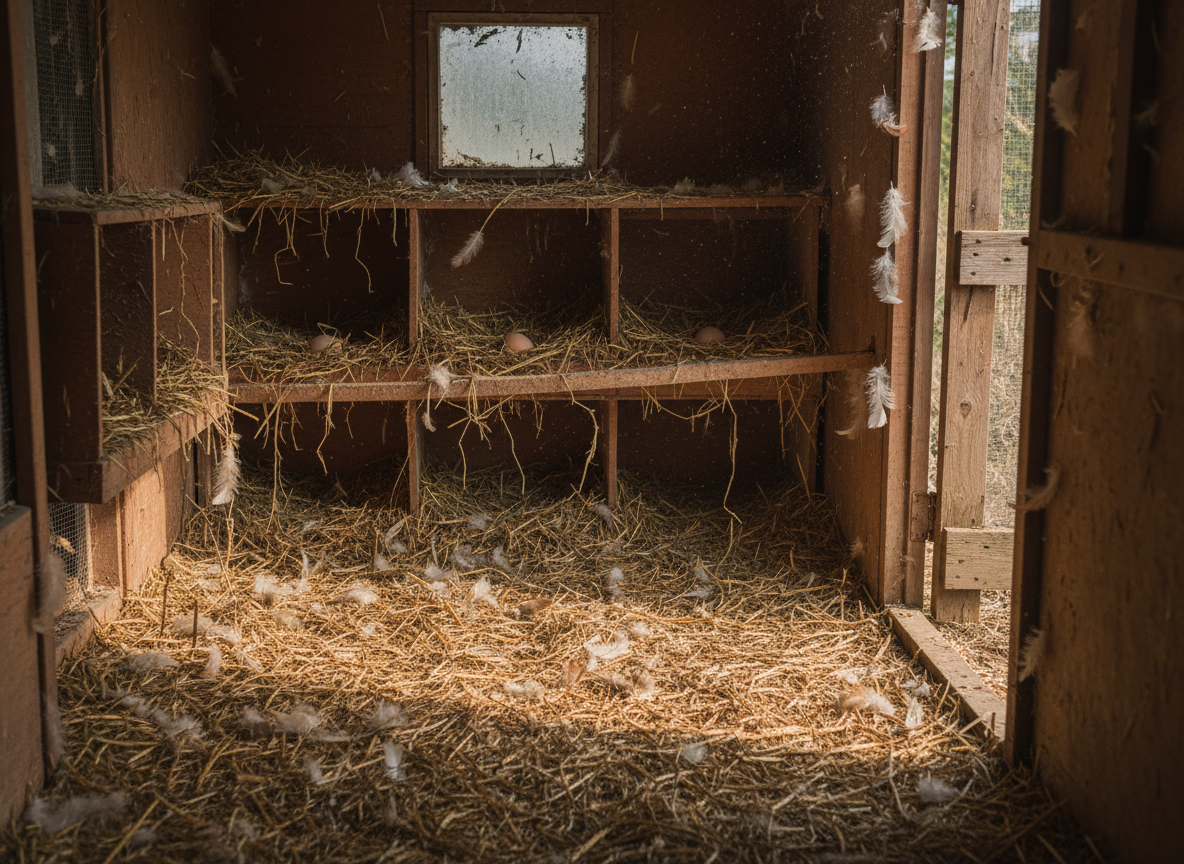
If you’re reading this with a tiny knot in your stomach because your chicken coop is… kind of scary right now—take a breath. You’re not a bad chicken owner. You’re a busy human.
Backyard chickens are joyful, but chicken coop cleaning can get overwhelming fast. Between work, kids, weather, and life, a coop can go from “fine” to “how did it get like this?” in what feels like a week.
This guide is a no-shame checklist to help you spot when it’s time for a reset clean (a deep clean that gets your coop back to fresh, safe, and manageable). It’s written for real-life chicken keepers who want a clean coop and a healthy flock—without losing every weekend.
What is a “reset clean” for a chicken coop?
A reset clean (also called a deep clean) is more than a quick scoop. It usually includes:
Removing built-up bedding and waste
Scraping and sanitizing high-contact areas (roosts, dropping boards)
Refreshing with clean, dry bedding
Addressing moisture points (leaks, spills, damp corners)
Improving airflow and odor control
A reset clean is especially helpful if you’ve been doing “maintenance cleans” but the coop still smells, feels damp, or looks like it’s losing the battle.
Why a dirty coop matters (without the scare tactics)
A messy coop isn’t just an eyesore. When droppings and damp bedding sit too long, ammonia can build up. Ammonia is that sharp smell that can make your eyes sting.
High ammonia and excess moisture can:
Irritate your chickens’ respiratory system
Increase fly pressure and pests
Create a breeding ground for bacteria and mold
Make eggs dirtier and nesting boxes less inviting
The goal isn’t perfection—it’s a coop that stays dry, breathable, and easy to maintain.
The “Scary Coop” confession checklist: 10 signs it’s time for a reset clean
Use this as your quick “do I need a deep clean?” test.
- The coop smell hits you before you open the door
If odor is noticeable from outside, it’s usually a sign waste and moisture have built up beyond what spot-cleaning can fix.
- Your eyes burn or you catch a sharp ammonia smell
That sting is your cue. Ammonia builds when droppings mix with damp bedding and there isn’t enough ventilation.
- Bedding looks dry on top but feels damp underneath
This is common with matted bedding or corners that don’t get airflow. Dampness underneath means odor will keep coming back.
- You’re finding wet spots around the waterer
Spills happen. But if the coop floor stays wet near the drinker, it’s time to reset that area and adjust your setup.
- Droppings are caked under roosts
Under-roost “drop zones” can turn into a crusty layer that’s hard to remove once it sets. A reset clean clears it out.
- Flies show up fast—even when it’s not super hot
Flies love moisture + manure. If you’re seeing flies early or constantly, a deep clean can break the cycle.
- Nesting boxes are dirty, smelly, or your eggs are coming out messy
Dirty nesting boxes often mean the coop needs a full refresh, not just a quick swap of nesting material.
- The coop floor is sticky, slick, or has a dark “film”
That’s a sign of built-up moisture and waste. It can also make the coop harder to clean later.
- You keep adding bedding but it still smells
If you’re topping off bedding and the smell returns quickly, the base layer is likely saturated and needs to be removed.
- You’re avoiding the coop
This one is the most honest sign. If you’re procrastinating because it feels like “a whole thing,” that’s exactly when a reset clean helps.
How often should you deep clean a chicken coop?
There’s no one-size-fits-all schedule. It depends on:
Number of chickens
Coop size and ventilation
Bedding type (wood shavings, straw, sand)
Local weather (rainy, humid, hot, cold)
Your cleaning routine
Many backyard coops benefit from a reset clean every 4–8 weeks, with quick spot-cleaning in between. If you’re in a wet season or have a smaller coop, you may need it more often.
Quick “reset clean” steps you can do this weekend
If you’re DIY-ing it, here’s a simple order of operations:
Remove old bedding (especially damp layers)
Scrape under roosts and any caked areas
Sweep or shovel out debris from corners and edges
Wipe down high-touch surfaces (roost bars, nesting box edges)
Let the coop dry (open doors/vents if weather allows)
Add fresh, dry bedding (many people like pine shavings)
Fix the moisture source (raise drinkers, check leaks, improve airflow)
If you want to keep it manageable, add one small habit: spot-clean under roosts every few days. It’s the fastest way to prevent the “scary coop” comeback.
When it’s time to call in help (and why that’s okay)
Sometimes the best decision is outsourcing the reset so you can get back to enjoying your flock. A professional reset clean is especially helpful if:
You’re short on time
The odor is persistent
You’re in a rainy season and can’t get things to dry
You want a clean baseline and a simple maintenance plan
A clean coop shouldn’t cost you your whole weekend—or your peace.
Want a no-judgment reset clean?
If you’re local and your coop is in “scary” territory, CoopCareCrew can help you reset it fast and set you up with a simple bedding and maintenance routine.
Send us a message with:
your coop size
number of chickens
your bedding type
…and we’ll recommend the best next step.